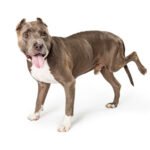
Let’s break down the possible reasons why your dog might be eating well but struggling to gain or maintain weight. The medical term for this increased appetite is polyphagia, and when it’s coupled with weight loss or an inability to gain weight, it tells me that something is disrupting the normal process of calorie intake, absorption, or utilization.
We can think of the problem in a few key categories:
Category 1: The Calories Aren’t Being Absorbed (Malabsorption)
This is like putting fuel in a car with a broken fuel line. The tank (the stomach) is full, but the fuel isn’t reaching the engine.
- Intestinal Parasites: This is one of the most common causes. Worms like roundworms, hookworms, and whipworms live in the intestines and steal nutrients directly from your dog’s meal before their body can absorb them. Even if you don’t see worms in the stool, they can be there. A fecal test is crucial.
- Exocrine Pancreatic Insufficiency (EPI): This is a condition where the pancreas fails to produce enough digestive enzymes. Without these enzymes, your dog cannot break down fats, proteins, and carbohydrates. The food passes right through them, and they starve no matter how much they eat. A telltale sign is often large, voluminous, greasy, cow-patty-like stools.
- Inflammatory Bowel Disease (IBD): This is a chronic condition where the lining of the intestines becomes inflamed and thickened. This inflamed lining cannot properly absorb nutrients. IBD often comes with other signs like chronic intermittent diarrhea or vomiting.
- Small Intestinal Bacterial Overgrowth (SIBO): An overpopulation of bacteria in the small intestine can interfere with digestion and nutrient absorption.
Category 2: The Calories Are Being Burned Too Fast (Increased Metabolism or Caloric Demand)
In this scenario, your dog’s body is in a state of high demand or is malfunctioning in a way that burns through calories rapidly.
- Hyperthyroidism: While rare in dogs (it’s more common in cats), it does occur. This is an overactive thyroid gland, which essentially revs the body’s metabolic engine into high gear, burning calories at an excessive rate. It’s more often seen in certain thyroid carcinomas.
- Diabetes Mellitus: In a diabetic dog, the body can’t use glucose (its primary fuel) properly. Because the glucose is lost in the urine, the body starts breaking down fat and muscle for energy, causing weight loss despite a good—sometimes even ravenous—appetite. You might also notice your dog drinking and urinating excessively.
- Chronic Stress or Anxiety: A dog that is constantly “on edge” has elevated stress hormones like cortisol, which can increase their metabolic rate and caloric needs.
- Extreme Activity Level: Some dogs are simply the canine equivalent of a marathon runner or a hyperactive teenager. Their caloric needs are far higher than an average dog of their size.
Category 3: The Body Isn’t Utilizing the Calories Correctly (Nutrient Loss or Dysfunction)
- Liver Disease: The liver is a key organ for metabolism and storage. When it’s diseased, it can affect how the body processes and stores nutrients.
- Addison’s Disease: This is less common but can sometimes present this way. It’s a deficiency of adrenal hormones, which can cause vague signs like weight loss and lethargy.
- Cancer (Neoplasia): Cancerous tumors are metabolically active and consume a huge amount of the body’s energy, effectively starving the rest of the body. This is known as cancer cachexia.
Category 4: The Simple (and Often Overlooked) Possibilities
- The Food Itself: Is the food high-quality and high in calories? Some grocery store brands are full of fillers with low nutritional density. Are you feeding the correct amount for your dog’s ideal weight, not their current weight? The bag is just a guideline; some dogs need significantly more.
- Competition or Rapid Eating: In a multi-dog household, one dog may be stealing the other’s food, or your dog may be eating so fast that they are expelling a lot of air and not actually consuming as much as you think.
- Poor Body Condition Scoring: We vets use a Body Condition Score (BCS) on a scale of 1-9. Many owners are used to seeing overweight dogs, so a truly healthy, lean dog (a 4 or 5 out of 9) can look “too thin” to them. I always assess this in the clinic.
What We Need to Do: The Diagnostic Plan
This is not something to guess about. You need a veterinary workup. Here is what I would recommend:
- A Thorough Physical Exam: This is the first and most important step. I will feel your dog’s body condition, check for signs of muscle wasting, listen to their heart and lungs, palpate their abdomen for any abnormalities or pain, and check their lymph nodes.
- Diagnostic Tests:
- Fecal Exam: To rule out intestinal parasites.
- Complete Blood Count (CBC) and Biochemistry Profile: This is essential. It checks organ function (liver, kidneys, pancreas), blood sugar, protein levels, and electrolytes. It can point us toward diabetes, liver disease, and other metabolic issues.
- Urinalysis: Crucial for diagnosing diabetes and assessing kidney function.
- Thyroid Test (Total T4): To rule out hyperthyroidism.
Based on the results of these initial tests, we may need to go further:
- Specific Pancreatic Tests: A test called TLI is the gold standard for diagnosing EPI.
- Abdominal Ultrasound: This allows us to visually inspect the internal organs—the intestines, liver, pancreas, lymph nodes—for signs of inflammation, thickening, or cancer.
What You Can Do at Home Before the Appointment
- Record Everything: For 3-5 days, write down exactly how much food (using a standard measuring cup) you are feeding, including all treats and table scraps.
- Check the Stool: Note the consistency, volume, and frequency of your dog’s bowel movements.
- Weigh Your Dog: If possible, get a current weight. Even a home baby scale can work for smaller dogs.
Bottom Line: A dog that eats well but remains thin is not normal. It is a clinical sign that warrants a veterinary investigation. The cause could be as simple as a heavy worm burden that’s easily treated, or it could be something more complex like EPI or diabetes. The good news is that most of these conditions are manageable once we have a diagnosis.
Please schedule an appointment with your veterinarian. Bringing your detailed food log and observations will be incredibly helpful for us to get to the bottom of this.