I understand how worrying it can be when your feline companion shows signs of distress. The situation you’re describing—watering eyes and coughing following exposure to incense smoke—is a common yet potentially serious concern. Let’s walk through this step-by-step, from immediate first aid to understanding the underlying physiology and knowing when a professional visit is non-negotiable.
Part 1: Immediate Action – What to Do Right Now
Your first priority is to remove the source of the irritation and assess your cat’s condition calmly but thoroughly.
- Remove Your Cat from the Source: Immediately take your cat to a well-ventilated room with fresh, clean air. The most important thing is to stop the ongoing exposure. An open window, a door to a safe, enclosed patio, or simply a room far from the smoke is ideal.
- Eliminate the Smoke: Extinguish the incense and ensure the room is completely cleared of smoke. Do not simply move the incense to another room; the particulate matter remains airborne and can travel. You may want to use an air purifier if you have one, as it can help remove fine particles from the air.
- Observe Without Restraining: Allow your cat to settle in the fresh air. Do not try to hold her tightly or force her to be still, as this can increase her stress and, consequently, her respiratory rate. Watch her from a slight distance.
- Offer Fresh Water: The coughing and irritation can cause a dry, scratchy throat. Having fresh, cool water available may be soothing and help to flush some of the irritants from her oral and pharyngeal membranes.
Part 2: Understanding the “Why” – The Feline Respiratory System
To understand the seriousness, you need to appreciate how exquisitely sensitive your cat is. Cats have a much more sensitive and delicate respiratory tract than humans.
- The Nose: A cat’s sense of smell is their primary way of interpreting the world. It’s vastly more powerful than ours. Strong scents like incense are not just unpleasant; they can be physically overwhelming and painful, causing immediate inflammation in the nasal passages.
- The Lungs and Airways: Their lower airways (bronchioles) are tiny and can constrict (bronchospasm) easily in response to irritants. Incense smoke is a complex mixture of particulate matter, volatile organic compounds (VOCs), and potential allergens. These particles are microscopic and can travel deep into the lungs, causing direct chemical irritation and triggering an inflammatory immune response.
- The Eyes: Cats’ eyes are also very sensitive. The smoke acts as a direct irritant, causing the lacrimal glands to produce excess tears in an attempt to flush it away. Unlike humans, cats don’t have a well-developed nasolacrimal duct system to drain tears efficiently, so the watering can be more pronounced.
What you are witnessing—the watering eyes and the cough—are protective reflexes. The body is trying to expel and dilute the invading irritant.
Part 3: Home Monitoring and Supportive Care
If, after moving to fresh air, your cat’s symptoms begin to subside significantly within 15-30 minutes, and she is not showing any of the severe signs listed in the next section, you can move to a supportive monitoring phase for the next 24-48 hours.
- Create a Sanctuary: Keep her in a quiet, clean-air room for the rest of the day. Limit her activity. Just like a human with a respiratory irritant, rest is important.
- Monitor Closely:
- Respiratory Rate and Effort: At rest (sleeping is best), a normal cat’s breathing rate is between 20-30 breaths per minute. Count the number of times her chest rises and falls in 15 seconds and multiply by four. More important than the number is the effort. Is she using her abdominal muscles to breathe? Are her breaths shallow and rapid?
- The Cough: Note the frequency and character. Is it a dry, hacking cough? A wet, productive-sounding cough? Is it persistent?
- Eye Discharge: Is it clear and watery, or has it become thick, yellow, or green?
- Appetite and Demeanor: Is she interested in food and water? Is she interacting with you normally, or is she hiding, lethargic, or depressed?
- Environmental Management: For the foreseeable future, cease all use of incense, scented candles, plug-in air fresheners, essential oil diffusers, and aerosol sprays in your home. Your cat’s respiratory system has shown itself to be sensitive, and re-exposure could cause a more severe reaction. Consider a high-quality HEPA air purifier to help maintain clean indoor air.
Part 4: When to Go to the Vet – Recognizing the Red Flags
This is the most critical part of my advice. Do not hesitate. If you observe any of the following signs, your cat needs professional veterinary care immediately.
GO TO THE VET OR AN EMERGENCY CLINIC IMMEDIATELY IF YOU SEE:
- Difficulty Breathing (Dyspnea): This is the number one emergency.
- Open-Mouth Breathing: Cats rarely breathe with their mouths open unless they are in severe respiratory distress. This is a major red flag.
- Abdominal “Push” Breathing: You see her abdomen forcefully moving in and out with each breath.
- Extended Neck and Elbows: She positions herself with her neck stretched out and her elbows held away from her body to try and maximize her airway.
- Noisy Breathing: Audible wheezing, whistling, or stridor (a high-pitched sound on inhalation).
- Cyanosis: Her gums or tongue are turning blue, grey, or pale. This indicates a critical lack of oxygen.
- Persistent, Forceful Coughing: If the cough does not subside or is becoming more frequent and violent, it indicates significant airway inflammation or bronchospasm that requires medication to resolve.
- Lethargy or Collapse: If she becomes unusually weak, lethargic, unresponsive, or collapses.
- Loss of Appetite or Not Drinking: If she refuses food or water for more than 12 hours.
Schedule a Non-Emergency Vet Appointment Within 24 Hours If:
- Mild coughing or eye watering persists for more than a day.
- She seems slightly less energetic than usual but is still interactive.
- You are simply unsure and want peace of mind. It is always better to err on the side of caution.
Part 5: What to Expect at the Veterinary Clinic
If you do need to bring your cat in, here is what the veterinarian will likely do:
- Thorough History: They will ask about the incident (type of incense, duration of exposure), your cat’s overall health, and any previous respiratory issues.
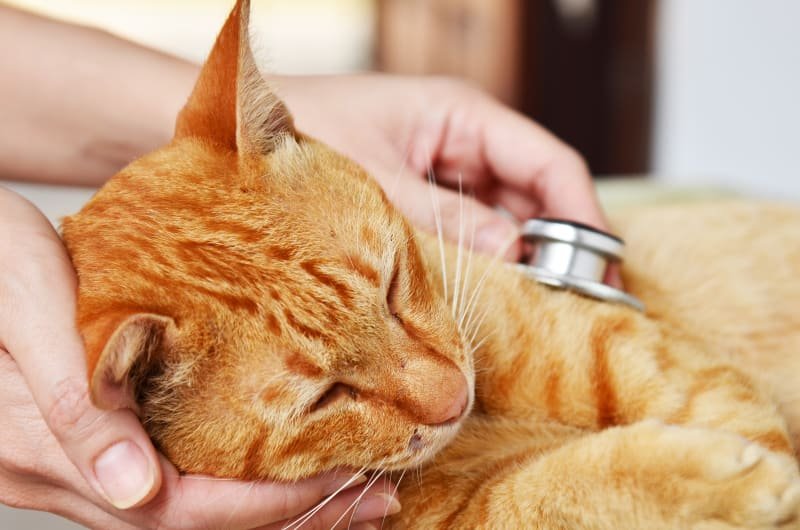
- Physical Examination: This is paramount. The vet will listen carefully to her heart and lungs with a stethoscope, checking for wheezes, crackles (which can indicate fluid), or muffled heart and lung sounds.
- Diagnostic Tests (Depending on Severity):
- Pulse Oximetry: A small probe clipped to the ear, lip, or pawless toe to measure the oxygen saturation in her blood. This is a quick, non-invasive way to assess respiratory function.
- Bloodwork: A complete blood count (CBC) and biochemistry panel can check for signs of systemic inflammation, infection, or organ stress.
- Thoracic Radiographs (Chest X-rays): This is crucial. X-rays can reveal bronchial inflammation (bronchitis), the pattern of lung involvement, the presence of fluid, or rule out other conditions like asthma or pneumonia that can be exacerbated or mimicked by smoke inhalation.
- Treatment Options:
- Oxygen Therapy: If she is in distress with low blood oxygen, she will be placed in an oxygen cage to help her breathe more easily and reduce the work of breathing.
- Bronchodilators: These are medications (often given via injection or inhaler) that relax and open the constricted airways, providing rapid relief. For chronic management, cats can be taught to use an inhaler with a special mask, much like human asthma patients.
- Anti-inflammatories: Corticosteroids are potent anti-inflammatories that are highly effective at reducing the swelling and inflammation in the airways caused by the irritant. These can be injectable or oral.
- Supportive Care: This may include subcutaneous fluids to prevent dehydration and soothe the respiratory tract, and appetite stimulants if she is not eating.
Part 6: Long-Term Outlook and Prevention
The prognosis for a single, acute exposure is generally excellent, especially with prompt intervention. However, this incident has revealed a vulnerability.
- Feline Asthma: This event could have been the first acute flare-up of underlying feline asthma, a chronic inflammatory condition of the small airways. The incense smoke acted as a powerful trigger. Your vet will discuss this possibility with you, especially if symptoms recur.
- Zero-Tolerance Policy: The single most important preventative measure you can take is to make your home a “low-irritant” zone. Permanently remove incense, scented candles, plug-in air fresheners, and be extremely cautious with essential oils (many are toxic to cats). Avoid strong household cleaners and use unscented or pet-safe alternatives.
- Consider an Inhaler: If your cat is diagnosed with asthma or has recurrent bronchial issues, your vet may prescribe a metered-dose inhaler (like Flovent/Albuterol) used with a feline-specific spacer (Aerokat chamber). This is a highly effective way to manage the condition long-term.
Final Summary and Action Plan
- IMMEDIATE: Remove cat from smoke. Provide fresh air.
- ASSESS: Is she in severe respiratory distress? (Open-mouth breathing, abdominal push, blue gums). If YES, this is an emergency -> Go to the vet NOW.
- IF STABLE: Monitor closely for the next 24 hours. Look for persistent cough, lethargy, or loss of appetite. If these mild signs persist -> Schedule a vet appointment.
- PREVENT: Eliminate all airborne irritants from your home permanently. Your cat has given you a clear signal that her respiratory system cannot tolerate them.
You are right to be concerned. Your cat’s symptoms are her way of communicating that she is in distress. By acting calmly, removing the cause, and knowing the signs that warrant professional help, you are providing her with the best care possible. Do not ever feel embarrassed about calling or visiting your vet with a concern like this. We are here to help you keep your beloved companion safe and healthy.
Disclaimer: This information is for educational purposes and is not a substitute for professional veterinary advice. If your pet is unwell, please contact your veterinarian directly for diagnosis and treatment.