For dog owners, few things are more distressing than seeing their beloved pet in discomfort. One of the most common sources of canine agony is the ear infection, or otitis externa. Characterized by head shaking, scratching, odor, and discharge, ear infections are a leading reason for veterinary visits. But what exactly causes these painful conditions, and how can they be prevented? Understanding the unique anatomy of a dog’s ear and the primary culprits behind infections is the first step in safeguarding your pet’s aural health.
The Canine Ear: A Perfect Storm for Infection
To comprehend why dogs are so susceptible, one must first understand their ear design. Unlike the relatively straight human ear canal, a dog’s ear canal is L-shaped, descending vertically and then making a near-90-degree turn horizontally toward the eardrum. This structure, while excellent for funneling sound, also creates a dark, warm, and poorly ventilated environment—an ideal breeding ground for bacteria and yeast. Furthermore, many breeds have floppy ears (like Cocker Spaniels or Basset Hounds) or hairy ear canals (like Poodles and Schnauzers), which further trap moisture and debris, exacerbating the problem.
Ear infections rarely occur in a vacuum; they are almost always a symptom of an underlying issue. Here are the five most common causes.
1. Allergies: The Primary Culprit
The Cause: Allergies are, by far, the number one driver of chronic, recurrent ear infections in dogs. Whether it’s environmental allergies (atopy) to pollens, molds, or dust mites, or food allergies to proteins like chicken, beef, or dairy, the inflammatory pathway is the same. When a dog is exposed to an allergen, its body releases inflammatory chemicals. This causes the skin lining the ear canal to become red, swollen, and itchy. This inflammation disrupts the natural, healthy barrier of the skin, allowing the normal, low levels of yeast and bacteria that reside in the ear to overgrow uncontrollably, leading to infection.
Spotting the Signs: Dogs with allergy-related ear issues often have problems in other areas too, such as itchy paws, recurrent skin infections, or licking their groin. The ear infections are persistent and often coincide with seasonal changes (for environmental allergies) or are constant (for food allergies).
2. Moisture and Poor Ventilation: “Swimmer’s Ear” for Dogs
The Cause: Just as in humans, moisture trapped in the ear canal is a recipe for trouble. This is often called “swimmer’s ear.” Bathing, swimming, or even playing in humid weather can introduce water into the canal. The moist environment softens the skin and dilutes the protective wax, allowing microbes to thrive. Breeds with floppy ears are particularly vulnerable, as their ear flaps act like lids, preventing evaporation and air circulation.
Spotting the Signs: Infections following bathing, grooming, or a trip to the lake are a clear indicator. You may notice a musty smell or see your dog shaking its head vigorously after these activities.
3. Excessive Ear Wax and Debris
The Cause: A certain amount of ear wax is normal and protective. However, some dogs are genetically predisposed to produce excessive amounts of wax or have glands that over-produce cerumen. This wax, combined with dead skin cells and trapped dirt, creates a rich nutrient source for microorganisms. Breeds like Labrador Retrievers and Cocker Spaniels are known for waxy ears. Foreign material like grass seeds or foxtails can also become lodged deep in the canal, causing sudden, severe irritation and infection.
Spotting the Signs: Visible, copious brown wax in the ear canal, or acute, painful head shaking and pawing at the ear after being in tall grass, are key signs.
4. Parasites: Ear Mites
The Cause: While more common in puppies and cats, ear mites (Otodectes cynotis) can infest dogs, especially those in multi-pet households or shelters. These tiny, highly contagious parasites live in the ear canal and feed on skin debris. Their movement and waste cause intense itching and a characteristic dark, crumbly discharge that resembles coffee grounds. The trauma from scratching can then lead to a secondary bacterial or yeast infection.
Spotting the Signs: Intense, sudden-onset itching, often in a young animal, with a characteristic dry, black discharge. Other pets in the home may also be affected.
5. Endocrine Disorders and Anatomical Issues
The Cause: Underlying medical conditions can predispose a dog to infections. Hypothyroidism (low thyroid hormone) can lead to skin changes and increased susceptibility. Other hormonal imbalances can have similar effects. Anatomically, some dogs may have narrow ear canals or develop benign growths like polyps or tumors that physically obstruct the canal, trapping material and moisture.
Spotting the Signs: Chronic, hard-to-resolve infections, especially in middle-aged or older dogs, may point to an endocrine issue. Any visible growth or extreme narrowing of the canal, often seen in breeds like Shar-Peis, is an anatomical red flag.
Prevention: Your Action Plan for Healthy Ears
Knowing the causes provides a clear roadmap for prevention. A proactive approach is always better than treatment.
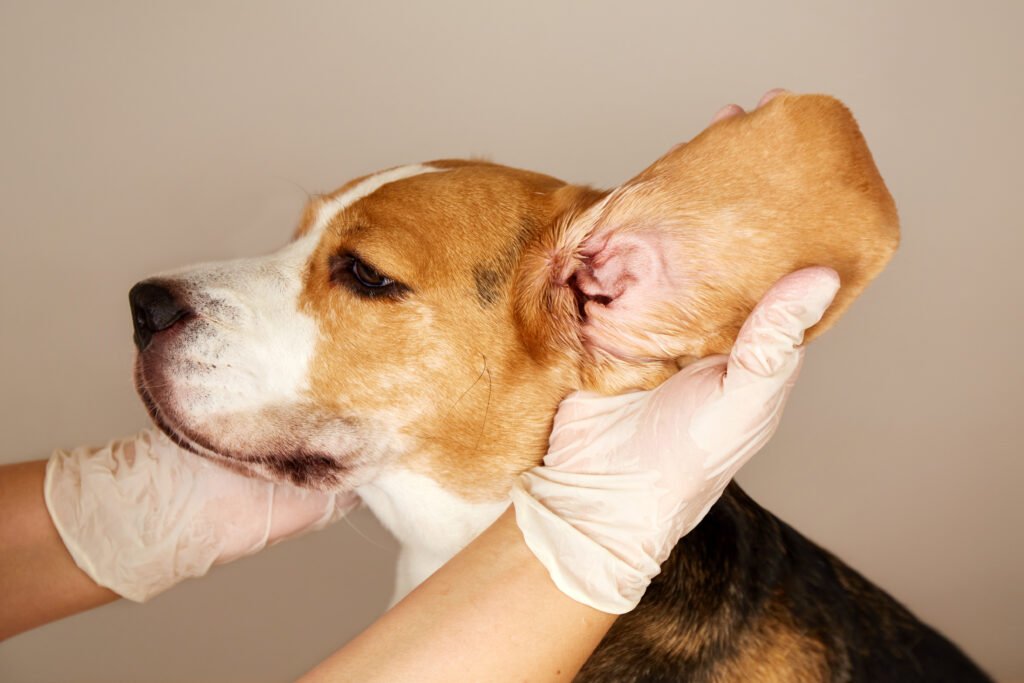
- Master the Ear Check & Clean: Make weekly ear inspections part of your grooming routine. Look for redness, odor, or excess discharge. Clean only when necessary using a high-quality, veterinarian-recommended ear cleaner—never use cotton swabs, alcohol, or hydrogen peroxide, which can damage the canal. Apply the cleaner, massage the base of the ear, and let your dog shake out the loosened debris. Wipe only what you can see at the outer opening with a cotton ball.
- Become a Moisture Manager: Be vigilant about drying ears after swimming or bathing. Use a soft towel or cotton ball at the entrance of the canal. For frequent swimmers, consider a drying ear cleaner used post-activity. Placing cotton balls gently in the ear canal (not deep) during baths can also prevent water entry.
- Address the Root Cause, Especially Allergies: If your dog has recurrent infections, work with your veterinarian to investigate allergies. This may involve a food elimination trial (using a novel or hydrolyzed protein diet for 8-12 weeks) or allergy testing. Managing the underlying allergy with prescribed diets, medications, or immunotherapy is the only way to break the cycle of chronic ear infections.
- Practice Regular Grooming: For hairy-eared breeds, ask your groomer to pluck or trim the hair inside the ear canal to improve airflow. Keep the ear flap and surrounding area well-groomed.
- Seek Prompt Veterinary Care: At the first sign of an infection—head shaking, scratching, odor, or redness—consult your vet. Early treatment with appropriate prescription medication (which often requires a cytology test to identify yeast vs. bacteria) is crucial. Completing the full course of treatment, even if symptoms improve, is essential to prevent recurrence and antibiotic resistance. Never use old medications from a previous infection.
Conclusion
Ear infections in dogs are a painful and common problem, but they are rarely random. They are typically the visible outcome of a perfect storm: a susceptible ear anatomy combined with a primary trigger like allergies, moisture, or parasites. By understanding these five common causes, you can transition from a reactive to a proactive caregiver. Consistent, gentle maintenance, vigilant moisture control, and most importantly, partnering with your veterinarian to diagnose and manage underlying conditions like allergies, form the cornerstone of prevention. Your dog’s comfort and health depend on your ability to spot the early warning signs and address the root of the problem, ensuring those expressive ears remain happy, healthy, and infection-free.